Why Simulator Training is Essential for Modern Pilots
Flight simulation technology has advanced to the point where it is indistinguishable from the real thing in many aspects of training. For student pilots and seasoned aviators alike, integrating simulator time into a training curriculum offers undeniable safety and cost benefits.
Mastering Avionics Without Distraction
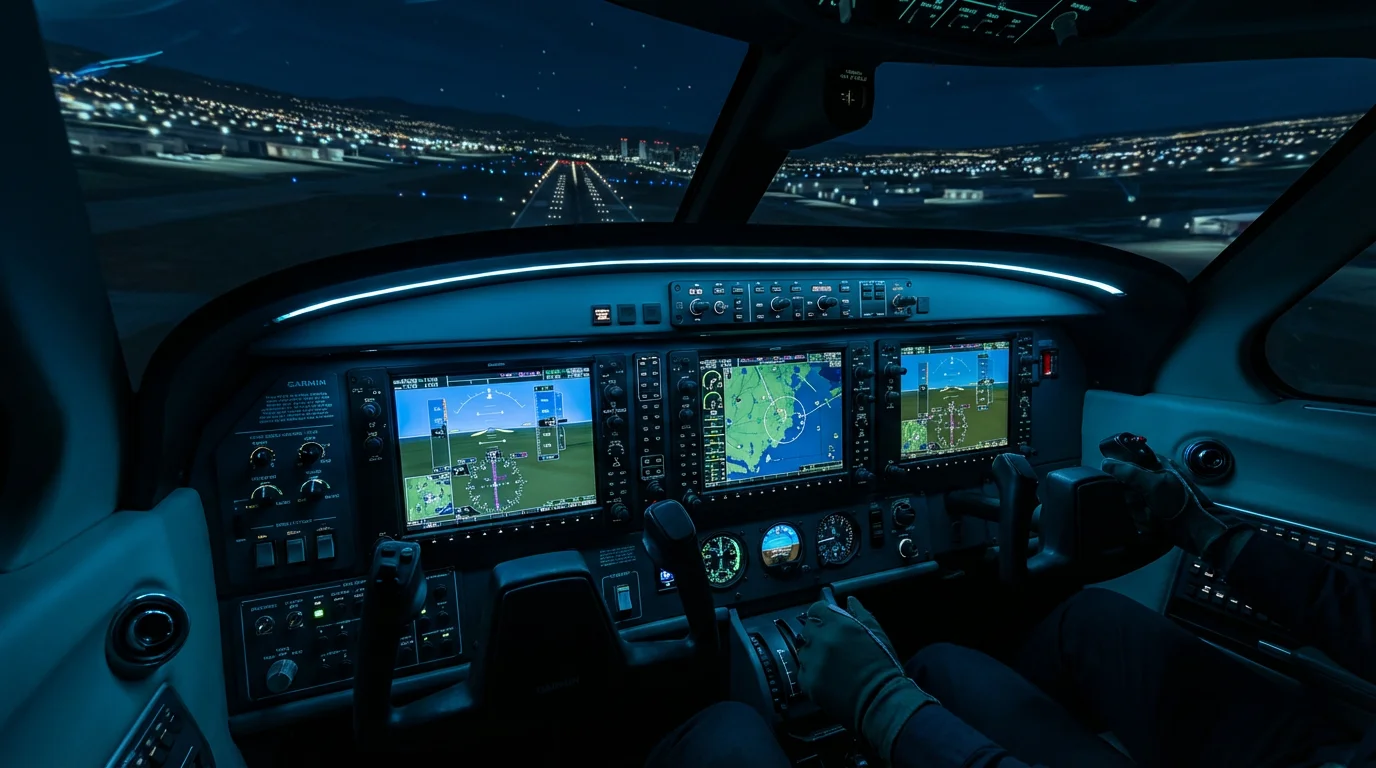
Modern cockpits are complex, often featuring glass flight decks like the Garmin G1000. Learning to navigate these systems while flying an aircraft can be overwhelming. Simulators allow pilots to master buttonology and system logic in a controlled environment, where they can pause, reset, and ask questions without burning fuel.
Emergency Procedures
Simulators are the only safe place to practice catastrophic failures. Engine fires, electrical failures, and severe icing conditions can be replicated with zero risk. This builds muscle memory and decision-making skills that save lives in the real world.
Cost-Effective Proficiency
With aircraft rental rates and fuel prices climbing, simulators provide a cost-effective way to maintain instrument currency and practice procedures. You can fly dozens of approaches in an hour in a sim, compared to maybe two or three in an actual aircraft.
Trustcom Systems features state-of-the-art Redbird and precision flight controls to provide the most realistic training experience possible. Book a session today to sharpen your skills.
Join the Briefing
Get the latest regulatory updates, training tips, and industry news delivered to your inbox.
Secure transmission. Unsubscribe at any time.